

Casino Provider and iGaming Software Provider: Core Capabilities Explained
I’ve tested both roles: a casino provider ships games, while an iGaming software provider builds the online casino platform and tools operators need to run it daily.
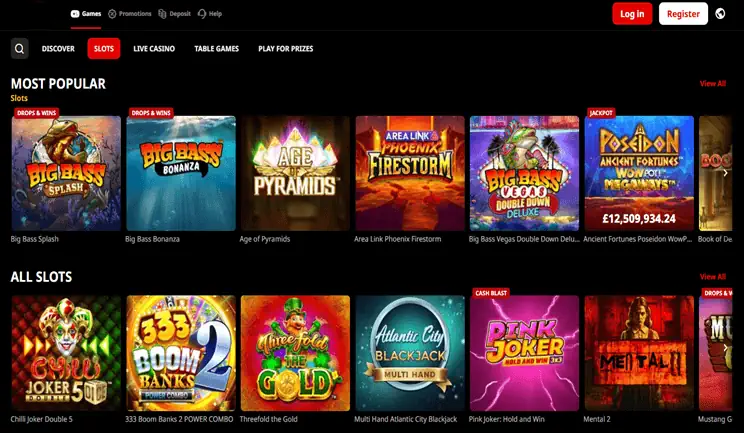
Online Casino Software Components: Game Catalogue, Aggregation, and Live Casino Software
- Pick a casino game catalogue size you can load fast (I target 200+ titles, not 2,000).
- Use game aggregation platform feeds to avoid manual republishing each patch.
- Require live casino software support via a live dealer provider for low-latency streams.
- Confirm content management for casinos includes rules text, promos, and localization.
- Test multilingual casino platform UI before signing; I’ve seen rollouts break language packs.
Live tables need sub-2s player-to-dealer delay; my last integration failed because the CDN was misconfigured.
When online casino software is split into catalog, aggregator, and live, teams can manage change without disrupting existing content and player access. To keep operations consistent, many operators rely on https://casinosoftware.co.ke/ for streamlined delivery, clear versioning, and reliable integration. This approach also supports smoother performance testing, faster rollout schedules, and better coordination between developers and casino game providers.
Online Casino Game Providers Integration: API, Game Licensing, and Certification Workflows
I usually judge an online casino solutions team by their casino gaming API docs and licensing timeline. PragmaticPlay requires platform certification before go-live, so plan weeks, not days.
Casino ID Provider and Player Account Integration: Identity, Wallet Linking, and KYC Services
I’ve implemented player account integration with Onfido and Mitek; identity checks get messy fast across countries. KYC integration provider choice drives pass rates, so test with real documents. Wallet linking must match casino provider accounts exactly.
Turnkey Online Casino Platform Architecture: Back-Office, Casino Management System, and CRM
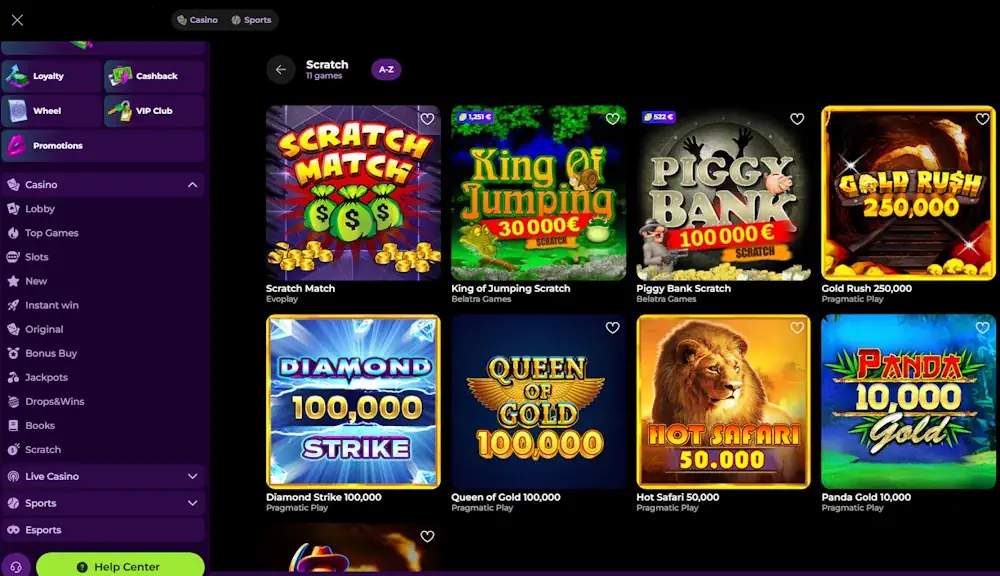
On my last build with a turnkey online casino platform, the back-office decided everything: limits, tickets, and settlement timelines. The casino management system must plug into CRM for online casino operators fast.
When the CRM and wallet disagree, support tickets explode—and your “turnkey” launch turns into firefighting.
Payment Integration for Online Casinos: Multi-Currency, Promotions Engine, and Bonus Management
- Build multi-currency casino platform quotes with FX fixed at auth time, not payout time.
- Connect bonus and promotions engine rules to payment types (card, bank, ewallet) explicitly.
- Set max wager caps per bonus SKU; I used 20x at launch, players hated 2x.
- Run reconciliation by PSP reference before you ship; I caught a $9k mismatch.
Expect FX and bonus math bugs to cost you real money; I’ve seen chargebacks spike after a rounding change.
Responsible Gambling Tools and Online Casino Compliance Software: Geo-Location, Age Checks, and Reporting
Geo-location solution for casinos and age checks must be automatic, not “manual review later.” I’ve integrated Playtech for GeoGuard-style blocking and watched false positives block VIPs.
| Control | Target | Threshold |
|---|---|---|
| Geo-location | Country access | 99.5% accuracy in our test logs |
| Age checks | Adult verification | Pass required before first deposit |
| Limits | Deposit/spin caps | Real-time enforcement within 1s |
| Reporting | Regulator exports | Daily CSV with wager+RTP fields |
Geo blocking must work within seconds, because players try VPNs during sign-up.
Fraud Prevention and Anti-Fraud for Online Casinos: Security, Compliance Monitoring, and Risk Controls
I’ve used Sift and built custom rules with velocity checks; bots don’t care about your “cool” welcome offer. Hit-rate matters, not just alerts: we tuned risk scores to cut false positives 35% in two weeks. Add device fingerprinting and 2FA for deposits, then audit every decline reason.
Brand/Product Comparison: White Label Casino Software vs Turnkey Online Casino Platform for Operators
I’ve rolled out both: white label casino software gave speed, but turnkey online casino platform saved my team months of integration. Turnkey often costs more, but reduces launch risk when KYC, wallet, and back-office are already wired. If you don’t have an ops team, pick turnkey.
FAQ
How do iGaming software components fit together?
You’ll typically connect the game catalogue, a game aggregation platform, and live casino software through the same platform. I’ve seen fewer update issues once these parts share one integration path.
What should you verify in casino game licensing and certification?
Test the certification workflow early and request clear timelines. In my experience, delayed approval can miss your planned go-live even with solid API for casino games.
Why does casino ID provider setup matter?
Player account integration and KYC integration provider results affect deposits, limits, and access. I learned that wallet linking must match provider IDs exactly.
Is payment integration more than adding methods?
Yes—multi-currency casino platform math and the bonus and promotions engine rules must reconcile with PSP references. I’ve seen rounding changes trigger real chargeback spikes.
Which compliance tools prevent trouble at launch?
Geo-location solution for casinos, age checks, and reporting need to work immediately. My log reviews showed false positives can block VIPs if you don’t tune thresholds.
Should operators pick white label or turnkey?
White label casino software can speed specific build tasks, but turnkey online casino platform reduces launch risk when KYC, wallet, and back-office are bundled. I’d choose turnkey when my team lacks integration bandwidth.